 Look around and you will see a lot of day to day objects. You recognize them almost instantaneously and involuntarily. You don’t have to wait for a few minutes after looking at a table to understand that it is in fact a table. Machines, on the other hand, find it very difficult to do this task. People have been working for decades to find a solution to this problem, but they have only been able to achieve an accuracy of around 65%. Why is it so hard for machines to recognize and categorize objects like humans? What’s so difficult here? We do it everyday and we get it right almost every single time. What’s the missing link? This is actually the holy grail of computer vision! Continue reading “How Do We Recognize Objects?”
Category: Machine Learning
Connecting With Kinect
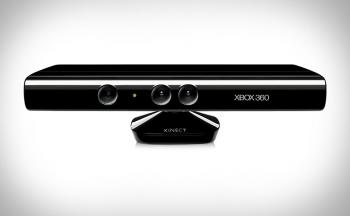 If you haven’t experienced Kinect yet, do yourself a favor and just go do it! For people who have just landed on earth, Kinect is a motion sensing device for Microsoft XBox 360 video game console. You can check out the video here. Instead of using buttons or controllers to play video games, this device enables you to use your body. Your movements will be captured and the video game character will move accordingly. When Kinect first came out in 2009, it took the world by storm! How is it possible to capture our body movements so accurately without using any wires? How does it recognize our gestures? Continue reading “Connecting With Kinect”
Uncovering The Hidden Treasure
 Before we start, I want to clarify that this post is not about treasure hunting! As you read along, the title will start making sense. In one of my previous blog posts, I have discussed speech recognition and a few ways to model the problem. I have also talked about how we can use machine learning to solve various real life problems. A lot of times, we need to model temporal events. Temporal events are things that happen over a period of time. Sometimes we know everything about a system, and so we just predict what’s going to happen next. What if we don’t know everything about a system? What if we can just see the effects of that system? Can we learn about a system even though we cannot directly observe what’s happening inside? Continue reading “Uncovering The Hidden Treasure”
Touch Me Not
 We are increasingly moving towards touchscreen technology. Every new mobile gadget that’s coming to the market has a touchscreen. Most of us interact with touchscreen technology on a daily basis. I’m sure you would have gotten curious some time or the other to know how it actually works. What happens when you touch the screen? How does it know where you touched the screen? All of us deserve to know how it works, especially when we use it so often. Continue reading “Touch Me Not”
Looking Into The Future With Google Glass
 Unless you shut down all your gadgets and hid yourself in a dark alley with absolutely no connection to the rest of the world, you would have heard that the Google I/O conference started on June 27. It is one of the most exciting events in the realm of tech innovation. Google came up with a couple of new devices – A 7-inch Android Jelly Bean tablet called Nexus 7 and a social media streaming device called Nexus Q. But that’s not what this blog post is about. I want to talk about the insanely cool Google Glass demo that they presented in the conference. If you haven’t seen it yet, you can see it here. This reminded all of us why we love and adore Google. The technology falls in the category of Wearable Computing. When they started it out a few years ago, it sounded very futuristic, but not anymore. It’s here and we just saw it! Continue reading “Looking Into The Future With Google Glass”
I Came. I Heard. I Understood.
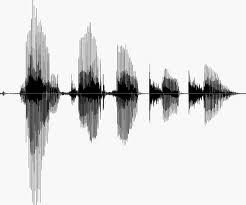 I’m pretty sure all of us have encountered a speech recognition system in our lives. Speech recognition is used in smartphones, automated customer service, and many other high-end gadgets. It’s being increasingly integrated in many devices to provide a better hands-free user experience. Apple came up with Siri for iPhone and most of the Android phones have speech recognition enabled in some form or the other. But how does it actually happen? Most people are annoyed by the quality of the speech recognition systems, and I don’t blame them for it. This happens mostly because they have surprisingly little knowledge about how their words are actually understood by the machines. I have worked on speech recognition in the past and so I just wanted to take a stab at it to explain what happens under the hood. Continue reading “I Came. I Heard. I Understood.”
Oblivious Machine, Thou Shalt Learn
 Why do we want machines to learn? What do we want to them to “learn” exactly? There is a lot of misunderstanding regarding the concept of machine learning. Is machine learning just robots learning how to walk and talk? Is it just machines learning how to do a particular fancy task? Not exactly. I thought I should just try to explain it in plain simple terms. Think about the following: How do search engines provide the best possible search results? How does multi-touch work on your smartphone or tablet? Continue reading “Oblivious Machine, Thou Shalt Learn”
 Perpetual Enigma